
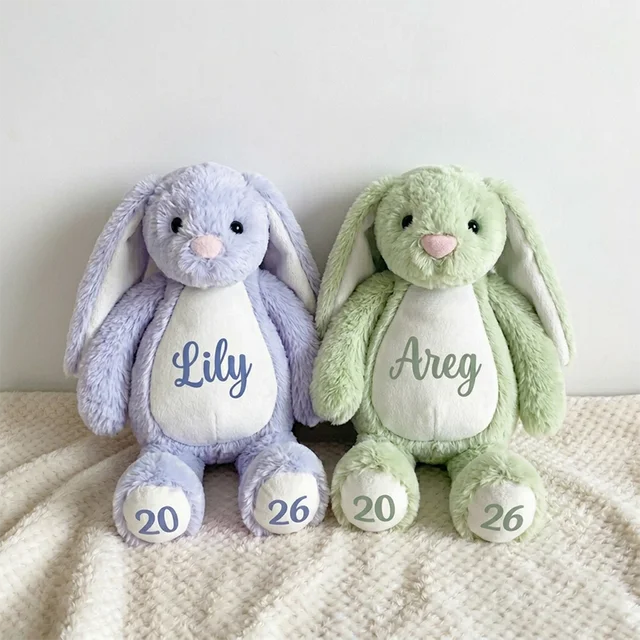
Plush is the category where wholesale buyers most often discover that “soft toy” is not a specification. Two items that look identical in a photo can differ in pile height, stuffing density, stitch count and whether the eyes survive a pull test — and those differences are what generate returns, not the design.
What is in this range
Our plush category currently holds 34 products, spanning gift retail, novelty and licensed-style lines. Typical lines include:
- Classic stuffed animals — bears, bunnies, dinosaurs and assorted animals in seated and lying formats.
- Oversized gift plush — larger formats built for gifting and display rather than pocket-money price points.
- Interactive and electronic plush — sound modules, repeat-after-me functions and motion features.
- Plush keychains and bag pendants — a separate 9-product keychain line that shares the same materials and often the same buyer.
The specification questions that actually decide quality
- Fabric and pile: soft plush, short-pile, velboa and long-pile all photograph similarly and feel completely different. Ask for the fabric name and weight per square metre, not “soft plush”.
- Stuffing density: this is what makes a plush hold its shape on a shelf. Ask whether the item will stand or slump when packed in a carton, because a slumping display plush sells badly.
- Stitching and attachment strength: eyes, noses and snap arms should be pull-tested — this is the most common safety-related complaint in the category.
- Interactive function: for electronic plush, confirm battery type, whether batteries ship installed, and the sound module supplier. These affect both landed cost and compliance.
- Testing documentation: our lines are listed with ASTM F963 / EN71 / CE compliance. Ask us for the report for the exact SKU — reports are per item and per standard.
Custom OEM is where plush gets interesting
Plush is the most customisable category we make, which is also why it is the one where a vague brief costs the most time. If you are developing your own character, these five inputs are what let us quote a real number instead of a range:
- Artwork from at least two angles — front and side. A single flat illustration leaves the depth of the snout, the shape of the limbs and the sit-height undefined.
- Finished height and preferred posture — seated or standing changes the pattern completely.
- Target retail price band — this determines fabric grade and stuffing approach far more than the drawing does.
- Labelling and packaging — swing tag, sewn-in label, polybag or display box, and the languages required on each.
- Whether the design is your own IP or licensed — this changes what documentation we need from you before production.
Samples are where a custom plush project is actually decided. Expect at least one round of revision on the pattern after the first sample, and budget the calendar accordingly rather than treating sampling as a formality.
Why plush MOQ works differently
Plush is assembled by sewing, not moulded, so setup cost is carried in labour and pattern-making rather than tooling. That makes small first orders more achievable than in hard-plastic categories, but it also means the per-unit price falls more slowly as quantity rises. Our plush MOQ guide breaks down where the cost actually sits and how buyers usually structure a first order.
Ordering rhythm
Plush is a high-emotion gifting category, so demand concentrates sharply around Q4 and Valentine’s. Production time is longer than for hard plastic goods because of the sewing and filling stages. If a plush order has to be on shelf for a seasonal window, the lead time conversation needs to happen early in the cycle. Our Q4 wholesale buying calendar and Christmas buying guide set out the windows we work to.
Three mistakes we see in plush enquiries
- Specifying by photo. A reference photo says nothing about pile height or stuffing density, which is where the perceived quality lives.
- Leaving labelling to the end. Sewn-in labels and compliance text are part of the production run, not a sticker applied afterwards. Late changes here delay shipments.
- Not planning the carton. Plush is bulky and light, so freight is charged on volume. A softer, higher-density fill can sometimes reduce a carton’s cube enough to change the landed cost — worth asking about.
Frequently asked
Can you match a plush I already sell? Yes — send a physical sample or clear photos with dimensions and we will work from it. A physical sample is faster and more accurate than photos for plush specifically.
Do you offer recycled or sustainable fillings? Ask us for the current options on the item you are considering, and we will tell you what is available and what it does to the unit price.
Which test reports will I receive? Reports are per item and per standard. Tell us the SKU and destination market — our toy safety certifications guide explains what each standard covers.
Sourcing plush for retail or distribution? Request a wholesale quote with the designs and quantities you have in mind, and we will come back with factory pricing and sample options within 24 hours.
Add comment